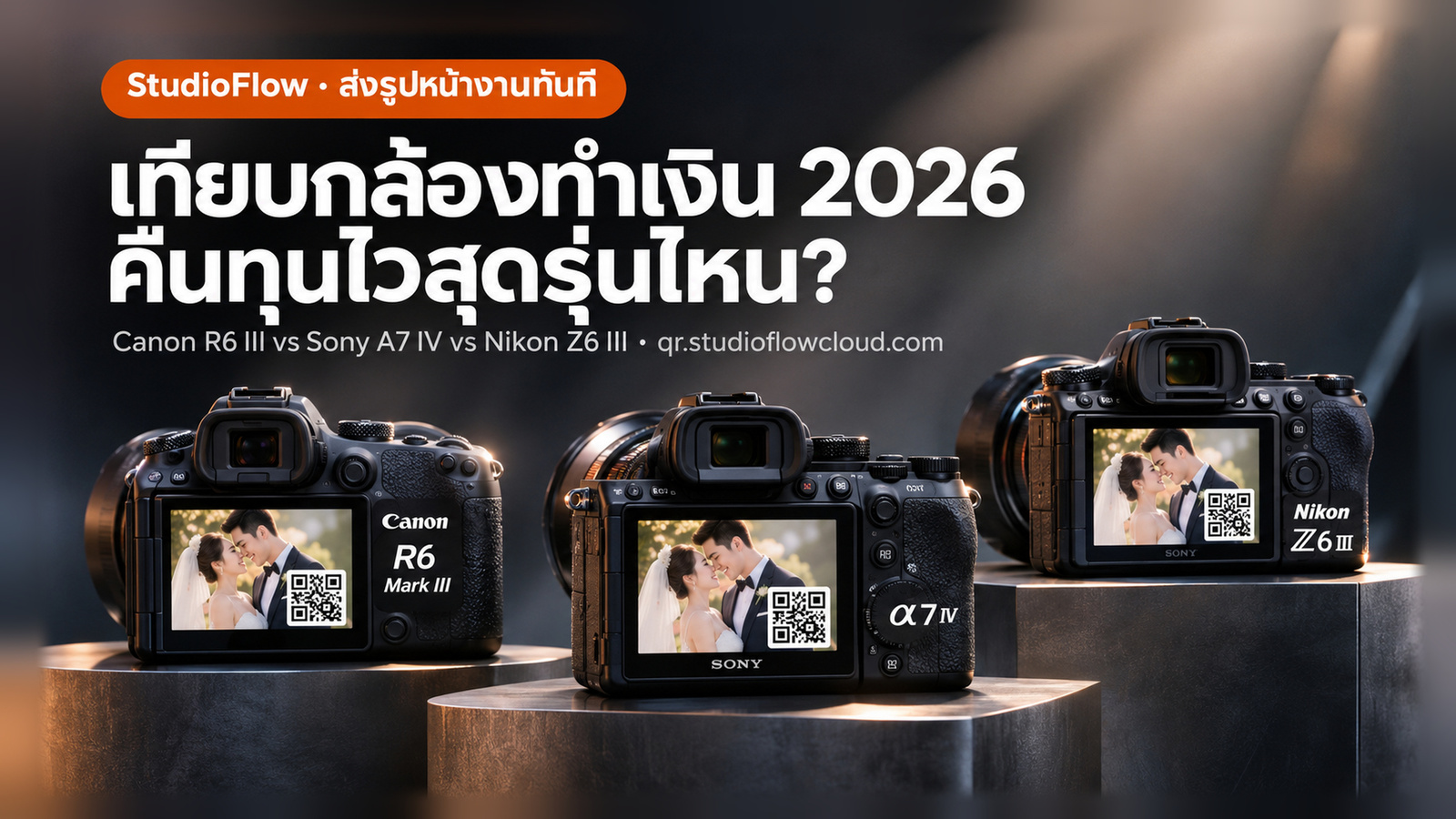
เทียบกล้องรับงานปี 2026: Canon R6 III vs Sony A7 IV vs Nikon Z6 III รุ่นไหนคืนทุนไว?
คำตอบสรุปสำหรับช่างภาพหน้างาน (Answer-First): สำหรับการเลือกกล้องรับงานในปี 2026 ระหว่าง Canon R6 Mark III, Sony A7 IV และ Nikon Z6 III แต่ละรุ่นมีจุดเด่นที่แตกต่างกัน โดย Canon R6 Mark III อาจโดดเด่นเรื่องสีผิวที่เป็นธรรมชาติและ Ergonomics ที่คุ้นเคย, Sony A7 IV มักจะนำเรื่องระบบ Auto Focus ที่ล้ำหน้าและ Dynamic Range ที่กว้าง ส่วน Nikon Z6 III คาดว่าจะมาพร้อมความสมดุลด้านวิดีโอและภาพนิ่งที่ดีเยี่ยม การคืนทุนไวขึ้นอยู่กับประเภทงานและความถนัดส่วนบุคคล แต่ Sony มักได้เปรียบด้วย Ecosystem เลนส์และอุปกรณ์เสริมที่หลากหลายกว่า
ระบบ Auto Focus คือหัวใจสำคัญของกล้องรับงาน โดยเฉพาะงานที่เคลื่อนไหวเร็วอย่างงานแต่งหรืองานอีเวนต์ Canon R6 Mark III คาดว่าจะพัฒนา Eye AF และ Tracking ให้ดีขึ้นจากรุ่นก่อนหน้า ขณะที่ Sony A7 IV ยังคงเป็นผู้นำด้าน Real-time Tracking และ AF ในสภาพแสงน้อย ส่วน Nikon Z6 III คาดว่าจะมีการอัปเกรดระบบ AF ให้ทัดเทียมคู่แข่ง โดยเฉพาะการตรวจจับวัตถุหลากหลายประเภท ช่างภาพควรทดสอบ AF ในสถานการณ์จริงที่ตนเองรับงานบ่อยๆ เพื่อให้มั่นใจในความแม่นยำ
TECHNIQUE 02
2. วิเคราะห์คุณภาพสีผิวและไฟล์ภาพ
เรื่องสีผิวเป็นปัจจัยสำคัญที่ทำให้ภาพดูเป็นธรรมชาติและเป็นเอกลักษณ์ของช่างภาพ Canon มักได้รับคำชมเรื่องสีผิวที่สวยงามเป็นธรรมชาติ ไม่ต้องปรับแต่งเยอะหลังกล้อง ทำให้ประหยัดเวลา ส่วน Sony มีชื่อเสียงด้าน Dynamic Range ที่กว้างและไฟล์ภาพที่ยืดหยุ่น ทำให้มีพื้นที่ในการปรับแต่งสูง ขณะที่ Nikon ก็พัฒนาเรื่องสีผิวมาอย่างต่อเนื่องและมีโทนสีที่เป็นเอกลักษณ์ของตัวเอง ช่างภาพควรพิจารณาว่าโทนสีของค่ายไหนที่ตรงกับสไตล์งานของตนเองและลูกค้ามากที่สุด
TECHNIQUE 03
3. คำนวณ ROI และ Ecosystem เลนส์
การคืนทุนไม่ได้ขึ้นอยู่กับราคาเริ่มต้นของกล้องเท่านั้น แต่รวมถึงค่าใช้จ่ายของเลนส์และอุปกรณ์เสริมใน Ecosystem ด้วย Sony มักมีตัวเลือกเลนส์จากค่ายอิสระที่หลากหลายและราคาเข้าถึงง่ายกว่า ทำให้ลดต้นทุนรวมได้ ส่วน Canon และ Nikon ก็มีเลนส์คุณภาพสูงของตัวเองที่รองรับการทำงานระดับโปร การพิจารณา ROI ควรคำนวณจากราคาบอดี้, ราคาเลนส์ที่จำเป็น, ค่าบำรุงรักษา และความต้องการของตลาดในพื้นที่ เพื่อให้การลงทุนคุ้มค่าและคืนทุนได้ไวที่สุด
ตารางเปรียบเทียบการตั้งค่าใช้งานจริง
หัวข้อ / ค่ายกล้อง
ค่าที่แนะนำ
ผลลัพธ์ที่ได้
ข้อควรระวังหน้างาน
ระบบ Auto Focus
Canon R6 III: Eye AF (คน,สัตว์,ยานยนต์) / Sony A7 IV: Real-time Tracking / Nikon Z6 III: Multi-subject AF
โฟกัสแม่นยำในสถานการณ์ต่างๆ
ทดสอบในสภาพแสงน้อยและวัตถุเคลื่อนไหวเร็ว
สีผิวและโทนภาพ
Canon: Natural / Sony: Neutral, Wide DR / Nikon: Balanced, Unique Tone
จากข้อมูลปัจจุบันและแนวโน้ม คาดว่า Sony A7 IV ยังคงเป็นตัวเลือกที่แข็งแกร่งด้วยฟีเจอร์วิดีโอที่ครบครัน แต่ Nikon Z6 III ก็มีศักยภาพที่จะเป็นคู่แข่งที่น่าสนใจ โดยเฉพาะหากมาพร้อมการบันทึก Internal RAW หรือ Bitrate ที่สูงขึ้น
ขึ้นอยู่กับความต้องการของงานและงบประมาณ หากรุ่นเก่าของคุณยังตอบโจทย์งานได้ดี การอัปเกรดอาจยังไม่จำเป็น แต่ถ้าคุณต้องการฟีเจอร์ใหม่ๆ เช่น AF ที่ดีขึ้น, วิดีโอ 10-bit หรือ Dynamic Range ที่กว้างขึ้น การลงทุนในกล้องใหม่ก็อาจช่วยเพิ่มโอกาสในการรับงานและสร้างรายได้ได้
Warning! Wrong Camera, Wrong Career
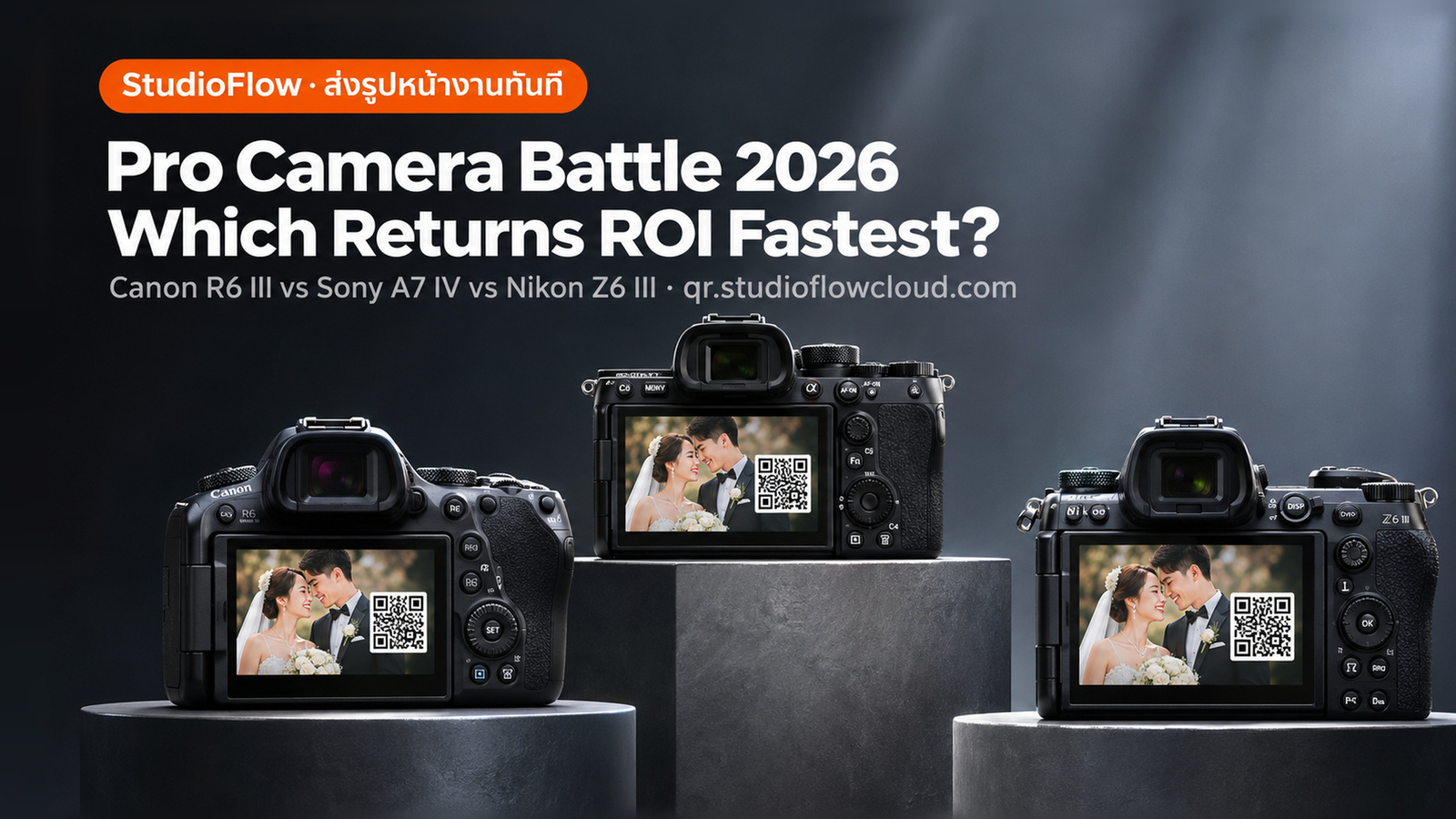
Pro Camera Battle 2026: Canon R6 III vs Sony A7 IV vs Nikon Z6 III – Which Returns ROI Fastest?
Quick Field Summary (Answer-First): When choosing a professional camera in 2026 among the Canon R6 Mark III, Sony A7 IV, and Nikon Z6 III, each model offers distinct advantages. The Canon R6 Mark III might excel in natural skin tones and familiar ergonomics, while the Sony A7 IV typically leads in advanced autofocus and wide dynamic range. The Nikon Z6 III is expected to offer an excellent balance for both video and stills. Return on investment depends on job type and personal preference, but Sony often has an edge due to its diverse lens and accessory ecosystem.
The Auto Focus system is crucial for professional cameras, especially for fast-paced events like weddings or other dynamic assignments. The Canon R6 Mark III is expected to improve its Eye AF and tracking from previous generations, while the Sony A7 IV continues to lead in real-time tracking and low-light AF. The Nikon Z6 III is anticipated to feature an upgraded AF system to compete with rivals, particularly in detecting various subjects. Photographers should test AF in real-world scenarios common to their work to ensure accuracy.
TECHNIQUE 02
2. Analyze Skin Tone Quality and Image Files
Skin tone rendering is a critical factor that contributes to natural-looking images and a photographer's unique style. Canon is often praised for its beautiful, natural skin tones, requiring less post-processing time. Sony is known for its wide dynamic range and flexible image files, offering extensive editing latitude. Nikon has also continuously improved its skin tones, developing its own distinct color science. Photographers should consider which brand's color science best aligns with their work style and client expectations.
TECHNIQUE 03
3. Calculate ROI and Lens Ecosystem
Return on investment (ROI) isn't solely dependent on the camera's initial price but also includes the cost of lenses and accessories within its ecosystem. Sony often provides a wider selection of third-party lenses that are more accessible in price, potentially reducing overall costs. Canon and Nikon also offer their own high-quality professional lenses. When calculating ROI, consider the body price, essential lenses, maintenance costs, and market demand in your area to ensure the investment is worthwhile and quickly recouped.
Real-World Camera & Workflow Comparison Table
Category / Camera Brand
Recommended Setting
Field Result
Pro Caution
Auto Focus System
Canon R6 III: Eye AF (People, Animals, Vehicles) / Sony A7 IV: Real-time Tracking / Nikon Z6 III: Multi-subject AF
Accurate focus in various situations
Test in low light and with fast-moving subjects
Skin Tones & Image Tone
Canon: Natural / Sony: Neutral, Wide DR / Nikon: Balanced, Unique Tone
Beautiful, natural images, easy to edit
Personal preference, may require Picture Profile adjustments
Connect Your Camera to AI Face-Scan Galleries — Deliver Photos 10x Faster
Transform your existing Google Drive, Dropbox, and Synology NAS folders into luxury branded client galleries with ⚡ Instant Event Delivery (Wi-Fi FTP / USB-C / Lightroom Classic 1★) and 0.3s QR selfie search. Start Free ($0) or Unlimited PRO ($49/yr).
Based on current data and trends, the Sony A7 IV is expected to remain a strong contender with comprehensive video features. However, the Nikon Z6 III also has the potential to be a formidable competitor, especially if it offers internal RAW recording or higher bitrates.
Is investing in a new camera worth it if I already own an older model?
It depends on your work requirements and budget. If your older model still meets your needs, an upgrade might not be necessary. However, if you require new features like improved AF, 10-bit video, or wider dynamic range, investing in a new camera could enhance your work opportunities and earning potential.
 StudioFlow